Wild Yam and Sarsaparilla: The Hormone Myth That Will Not Die
The verdict in one line
Two traditional herbs carrying a hormone claim that the underlying chemistry does not support. Our score: 2.2 / 5.
This is a verification-desk piece rather than a product description: the question first, the direct answer second, and the working shown underneath.
What Horsewood is
Horsewood is a once-daily dietary supplement sold as a "Cardiovascular Support Formula" — 30 capsules a bottle on the brand's own renders and thirty on one seller page, taken once daily. Seven botanicals are named consistently; no Supplement Facts panel is published for any of them. It is sold on the Horsewood from $49 to $89 a bottle. It is not a medicine and it is not a substitute for having erectile difficulty assessed.
Laboratory chemistry is not human metabolism
Wild yam contains diosgenin and sarsaparilla contains sarsasapogenin. Both are plant sterols that a laboratory can convert into steroid hormones through a multi-step industrial process. That fact is the origin of one of the most persistent myths in supplement marketing.
The human body does not perform that conversion. Eating diosgenin does not produce testosterone, progesterone or DHEA in you, and no amount of wild yam changes that. Both ingredients have long traditional histories and thin modern evidence for male hormonal endpoints, with no established human dose for either. At an advertised 20 mg each they are familiar names on a list, which is a fair description rather than an insult.
Check the current Horsewood price
Bundle pricing on the Horsewood official website runs from $89 for a single bottle down to $49 on the six-pack, with free US shipping and three digital bonuses on the larger orders.
See Horsewood Official Pricing Official website checkout · 60-day guarantee · confirm before payingThe label, in brief
| Botanical | Advertised | Used in research |
|---|---|---|
| Tongkat Ali | 1,000 mg | 200 mg/day standardised water-soluble extract (Tambi 2012) |
| Horny Goat Weed | 80 mg | Human trials typically use standardised icariin at far higher intakes |
| Saw Palmetto | 20 mg | 320 mg/day standardised liposterolic extract |
| Nettle Leaf | 20 mg | 300–600 mg/day nettle ROOT extract in prostate studies |
| Plus wild yam, sarsaparilla and boron chelate at an advertised 20 mg each. No Supplement Facts panel is published for any of it. | ||
The pattern is consistent. Every amount is printed, four nutrient forms were chosen the better way, and two lines — choline at 0.04 mg and inositol at 40 mcg — are present in amounts that round to nothing. Full breakdown: the Horsewood ingredient analysis.
Pros and cons
What works
- All thirteen amounts printed with %DV — no proprietary blend
- B12 as methylcobalamin, zinc as citrate, vitamin E as natural d-alpha
- Folate printed with its correct DFE conversion
- Boron included — a specified-dose study behind it
- Pectin base rather than gelatin, and a taste people actually keep up with
What does not
- No Supplement Facts panel published anywhere
- Choline 0.04 mg, printed by the label itself as 0% DV
- Inositol 40 mcg against 2–4 g in human studies
- Saw palmetto at 1/16th of its researched amount
- No nitrate warning on either selling page
Who it suits — and who should skip it
Worth considering for adult men who want a stimulant-free botanical routine and accept the amounts are unverified. Not worth it for anyone taking nitrates, which is the interaction that matters most here, or anyone on blood pressure medication or blood thinners without medical advice.
Male-enhancement supplements are the category the FDA most often finds adulterated with undeclared sildenafil or tadalafil. We have no evidence Horsewood is among them; we say it because the nitrate interaction can be life-threatening and neither seller mentions it.
Tongkat Ali has an entry in LiverTox, the NIH drug-induced liver injury database — and one competing page cites that very monograph in its reference list as though it supported the ingredient.
Verdict
Two traditional herbs carrying a hormone claim that the underlying chemistry does not support. Practically: ask the seller for a photograph of the Supplement Facts panel and for the Tongkat Ali extract ratio before ordering, tell a pharmacist what medication you take, get your blood pressure checked, start with three bottles rather than six, and diarise your refund decision for day 50. Background reading: PubMed — Tambi 2012, Eurycoma longifolia, and our full Horsewood review.
Questions readers ask
Is Horsewood worth buying in 2026?
It is worth considering only if the seller will show you a Supplement Facts panel and tell you the Tongkat Ali extract ratio. Without those, you are buying seven names rather than seven doses.
How long should I take Horsewood before judging it?
Both selling pages say the full effect compounds over 90 days or more, while offering a 60-day guarantee. Plan on 8 to 12 weeks and decide by day 50.
How long is the Horsewood guarantee?
The offer pages state 60 days from the date of purchase. A badge supplied with the product artwork says 180 days, which does not match. Screenshot the written terms on the order form before you pay and diarise day 50.
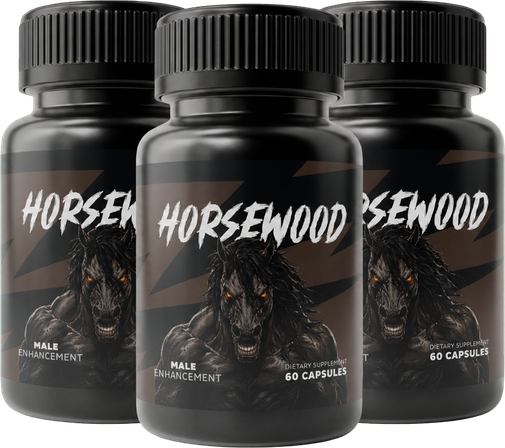
Horsewood Official Website
per bottle on the 6-bottle bundle · free US shipping on 3 and 6
Check Current Price 60-day guarantee · official checkout only